
The Union Budget 2026-27 has introduced a mix of changes that will affect food beverage prices and operating costs across India’s food and beverage sector, influencing producers, processors, restaurateurs, and consumers alike. Overall, some inputs and equipment will become cheaper thanks to tax reliefs, while others — especially fuel and certain machinery — are expected …
From Biogas CNG to Coffee Equipment: How Budget 2026-27 Shifts Prices in Food & Beverages
👁 Views:
1564
February 3, 2026,
9:48 pm
The Union Budget 2026-27 has introduced a mix of changes that will affect food beverage prices and operating costs across India’s food and beverage sector, influencing producers, processors, restaurateurs, and consumers alike. Overall, some inputs and equipment will become cheaper thanks to tax reliefs, while others — especially fuel and certain machinery — are expected to cost more under revised duty rules, impacting the overall budget food beverage prices.
The Union Budget 2026-27 has introduced a mix of changes that will affect prices and operating costs across India’s food and beverage sector, influencing producers, processors, restaurateurs and consumers alike. Overall, some inputs and equipment will become cheaper thanks to tax reliefs, while others — especially fuel and certain machinery — are expected to cost more under revised duty rules.
Cheaper Items and Cost Reductions
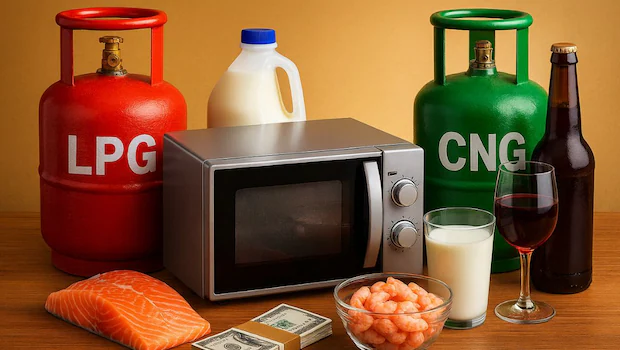
Biogas-mixed CNG: The government has excluded the value of biogas from central excise duty calculations. This measure is expected to lower production costs for biogas-based compressed natural gas, which can benefit rural energy use and agri-linked supply chains important to food processors and logistics.
Microwave ovens: Duty exemptions have been granted on specified parts used to manufacture microwave ovens. This change is aimed at boosting domestic value-addition and reducing reliance on imported components, potentially lowering manufacturing costs for ovens used in kitchens and food preparation facilities.
Seafood processing inputs: The budget raised the duty-free import limit from 1% to 3% of FOB export value for inputs used in seafood processing. This expands sourcing flexibility for processors, helping lower input costs and improve competitiveness for Indian seafood exporters.
Simplification (Business-Friendly Changes)
Alcohol TCS rationalisation: The Tax Collected at Source (TCS) on alcoholic liquor has been simplified to a flat 2% rate for sellers. Although this may not directly reduce retail prices, it streamlines compliance and reduces administrative burden for alcohol vendors and distributors.
Costlier Items and Operational Expenses
Commercial LPG cylinders: The price of a 19-kg commercial LPG cylinder has risen by around ₹49, bringing the revised rate in Delhi to about ₹1,740.50. This hike will impact restaurants, cafes, hotels and street-food vendors that rely on LPG for cooking and heating.
Coffee roasting, brewing and vending machines: Existing exemptions on coffee roasting, brewing and vending machines have been withdrawn. Since many of these machines are imported or use imported components, their costs are expected to rise, which could increase expenses for cafes, office canteens and commercial beverage counters that rely on such equipment.
Unchanged Items
Milk prices: Domestic milk prices remain stable with no changes announced in the Budget for FY27, following adjustments made in 2025.
Overall, while the Budget aims to support lower production costs and export competitiveness in certain segments (like seafood and energy inputs), F&B businesses may face higher operational outlays due to fuel price rises and equipment cost increases.
Key Budget Changes Affecting Food & Beverage Prices
The Union Budget 2026-27 has introduced a mix of changes that will affect prices and operating costs across India’s food and beverage sector, influencing producers, processors, restaurateurs and consumers alike. Overall, some inputs and equipment will become cheaper thanks to tax reliefs, while others — especially fuel and certain machinery — are expected to cost more under revised duty rules.
Impact of Budget 2026-27 on Input Costs
Cheaper Items and Cost Reductions: Biogas-mixed CNG sees production costs lowered as the government excludes biogas value from central excise duty. Microwave ovens and seafood processing inputs also benefit from duty exemptions and increased import limits, respectively, aiming to boost domestic production and competitiveness.
Operational Expenses: What's Changing for F&B Businesses
Costlier Items and Operational Expenses: Commercial LPG cylinders have seen a price hike, directly impacting restaurants and food vendors. Furthermore, the withdrawal of exemptions on coffee roasting, brewing, and vending machines is expected to increase costs for cafes and beverage counters, particularly those relying on imported equipment.
Conclusion
In conclusion, the Budget 2026-27 presents a mixed bag for the food and beverage industry, with significant shifts in food beverage prices. While certain segments see cost reductions, particularly in energy inputs and processing, others face increased operational outlays due to fuel price rises and equipment cost escalations, making the budget a crucial factor in navigating the evolving landscape of food beverage prices.
Related Resources
- From Mere Convenience to Brand Core: How Availability Shapes Consumer Trust
- Why India’s Food and Drink Supply Chain Is Feeling the Heat
- Premium Coffee Push: Nespresso Opens Immersive Retail Space at Ambience Mall
- Union Budget 2026-27 official documents
- Impact of Fuel Prices on Food Industry
- Coffee Equipment Market Trends