

If you think Udupi restaurants are just ordinary South Indian eateries serving dosa and idli, there’s much more to the story of Udupi restaurants than that. These establishments have a deep cultural and historical background that helps explain why they became so popular across India and even overseas, shaping the landscape of Indian vegetarian cuisine. …
How Udupi Restaurants Became Icons of Indian Vegetarian Cuisine
👁 Views:
1545
February 4, 2026,
9:23 pm
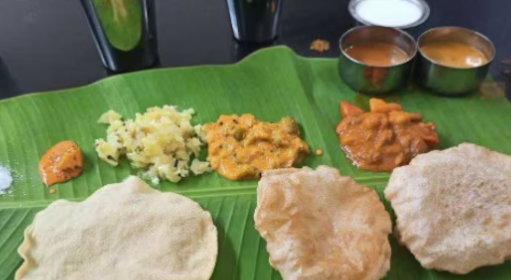
If you think Udupi restaurants are just ordinary South Indian eateries serving dosa and idli, there’s much more to the story of Udupi restaurants than that. These establishments have a deep cultural and historical background that helps explain why they became so popular across India and even overseas, shaping the landscape of Indian vegetarian cuisine.
If you think Udupi restaurants are just ordinary South Indian eateries serving dosa and idli, there’s much more to the story than that. These restaurants have a deep cultural and historical background that helps explain why they became so popular across India and even overseas.
The name “Udupi” comes from a town on the Karnataka coast, famous for the Sri Krishna Temple and its long tradition of vegetarian cooking. For centuries, cooks from Udupi — especially from the Shivalli Madhwa Brahmin community — prepared simple, satvic meals for the temple and its many visitors. Because this food was clean, wholesome, and consistent, it became a model for later restaurant menus.
In the early 20th century, many of these cooks migrated to big cities like Madras (Chennai), Bengaluru, and Mumbai. There, they opened small vegetarian eateries offering rice, dosas, idlis, chutneys, sambar, and other South Indian favourites. One of the earliest examples was Udupi Sri Krishna Boarding in Matunga, Mumbai, started in 1942 by A. Rama Nayak, a young migrant who wanted to recreate the tastes of home for fellow travellers. These spots soon became popular with workers, students, and families from all backgrounds because the food was tasty, affordable, and satisfying.
Over decades, “Udupi restaurants” spread all over India and abroad — from Srinagar to Chennai, and even to cities in the United States, UK, and Canada. Interestingly, many people think of Udupi restaurants as a single brand, but they aren’t. Most are family-run ventures started by migrants from Udupi or neighbouring regions, drawing on shared traditions rather than a central brand name.
Also, what people associate today with Udupi food — such as crispy dosas and fluffy idlis — were originally common South Indian staples, not unique to Udupi alone. As these restaurants adapted to local tastes over time, they helped make these dishes even more popular nationwide.
So next time you step into an “Udupi restaurant,” remember it’s more than just a place to eat South Indian food — it’s a reflection of history, migration and culinary tradition that helped shape how India enjoys vegetarian cuisine today.
The Origins of Udupi Cuisine
The name “Udupi” originates from a coastal town in Karnataka, renowned for the Sri Krishna Temple and its deeply rooted tradition of vegetarian cooking. For centuries, cooks from Udupi, particularly from the Shivalli Madhwa Brahmin community, meticulously prepared simple, satvic meals for the temple and its numerous pilgrims. This commitment to clean, wholesome, and consistently prepared food established a benchmark that would later influence restaurant menus across India.
Migration and Expansion of Udupi Restaurants
In the early 20th century, a significant wave of these skilled cooks migrated to major Indian metropolises such as Madras (Chennai), Bengaluru, and Mumbai. Here, they established small vegetarian eateries, offering a familiar array of rice dishes, crispy dosas, fluffy idlis, flavourful chutneys, and aromatic sambar – all beloved South Indian staples. A pioneering example was Udupi Sri Krishna Boarding in Matunga, Mumbai, founded in 1942 by A. Rama Nayak, a young migrant seeking to replicate the comforting tastes of home for fellow travellers. These establishments quickly garnered popularity among workers, students, and families from diverse backgrounds, prized for their delicious, affordable, and satisfying fare.
The Enduring Legacy of Udupi Restaurants
Over the subsequent decades, the phenomenon of “Udupi restaurants” expanded exponentially, not only across India, from the northernmost reaches of Srinagar to the southern tip of Chennai, but also internationally, with outposts appearing in cities across the United States, the United Kingdom, and Canada. It's a common misconception that people perceive Udupi restaurants as a singular, branded entity; however, this is not the case. The vast majority are independent, family-run businesses initiated by migrants from Udupi or its surrounding regions, drawing upon a shared culinary heritage rather than a centralized brand identity. Furthermore, many dishes now synonymous with Udupi food, such as perfectly crisp dosas and light, fluffy idlis, were in fact common South Indian staples that were not exclusive to Udupi. As these restaurants evolved and adapted to diverse local palates over time, they played a pivotal role in popularizing these dishes nationwide and globally.
Conclusion
So next time you step into an “Udupi restaurant,” remember it's more than just a place to eat South Indian food — it’s a reflection of history, migration, and a culinary tradition that has profoundly shaped Indian vegetarian cuisine.
Related Resources