
Category: Trends & Insights

HomeTrends & Insights

Industry Optimism Grows as FMCG Supply Chains Stabilise

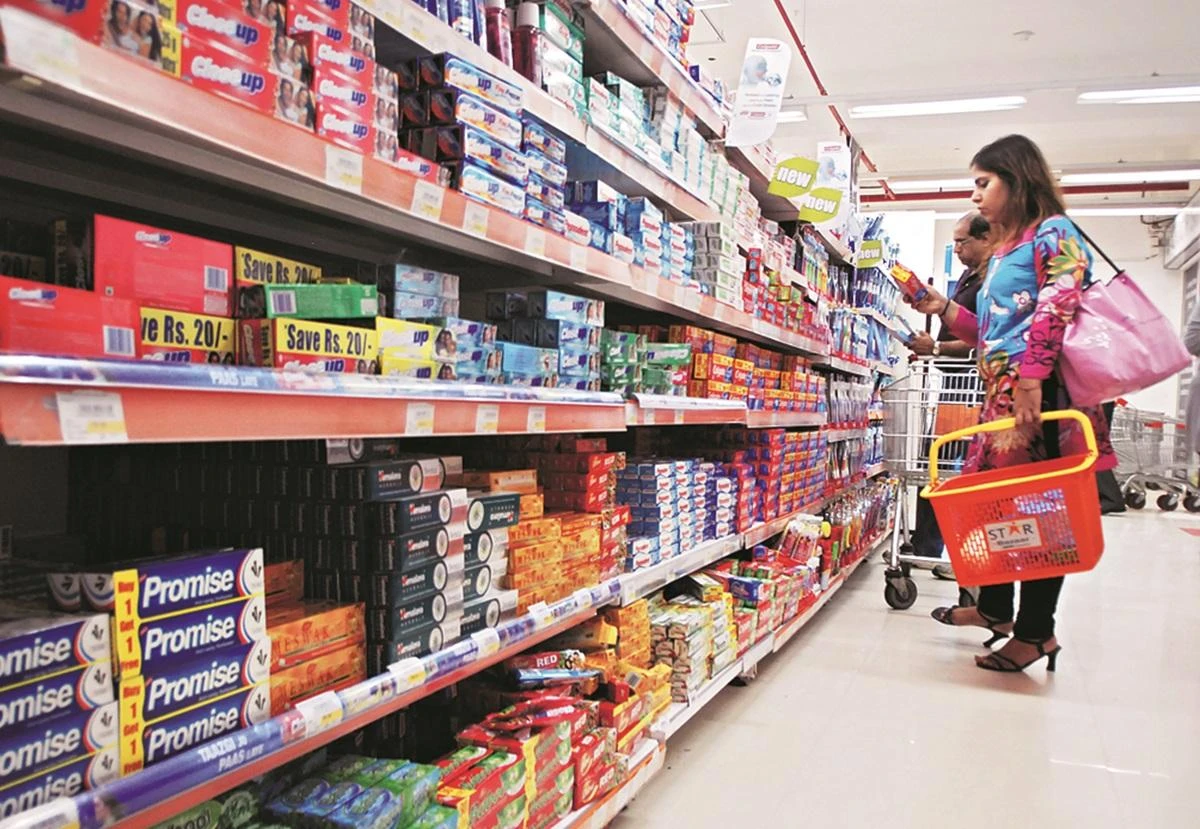
India’s FMCG sector — covering packaged food, beverages and household goods — is showing renewed stability following GST 2.0 adjustments. Companies report smoother logistics, improved compliance and stronger consumer momentum. Demand remains robust across urban and semi-urban markets, especially in daily-use and affordable packaged food categories. Industry analysts expect continued growth as rising incomes, urban …


Only Real Tea Leaves Qualify as Tea Under New Labelling Guidelines

India’s food regulator FSSAI has clarified that only beverages made from the tea plant Camellia sinensis can be marketed as ‘tea’, tightening labelling norms to prevent consumer confusion. The move aims to stop herbal infusions and flavoured blends from being misrepresented as tea — ensuring consumers clearly understand what they are purchasing. Brands will now …

Functional Foods & Supplements Gain Mass Consumer AdoptionFunctional Foods & Supplements Gain Mass Consumer Adoption

India’s nutraceutical industry is expanding faster than most mainstream consumer categories, driven by rising awareness of preventive health and daily nutrition support. Consumers are increasingly turning to immunity boosters, probiotics, herbal supplements and plant-based formulas to complement their regular diets. Sales growth is particularly strong across e-commerce and modern retail pharmacies. Analysts say the trend …

Viral Wellness Beverages Shape India’s Coffee Culture

A new café trend is brewing — literally. The Black Sesame Latte, popular in South Korea, is set to enter India’s café menus as demand grows for visually appealing and wellness-inspired beverages. Rich in antioxidants and nutrients, the drink combines a creamy latte texture with a nutty sesame flavour — making it as Instagram-worthy as …

Consumers Pay More for Nutrient-Rich Khapli Atta Products

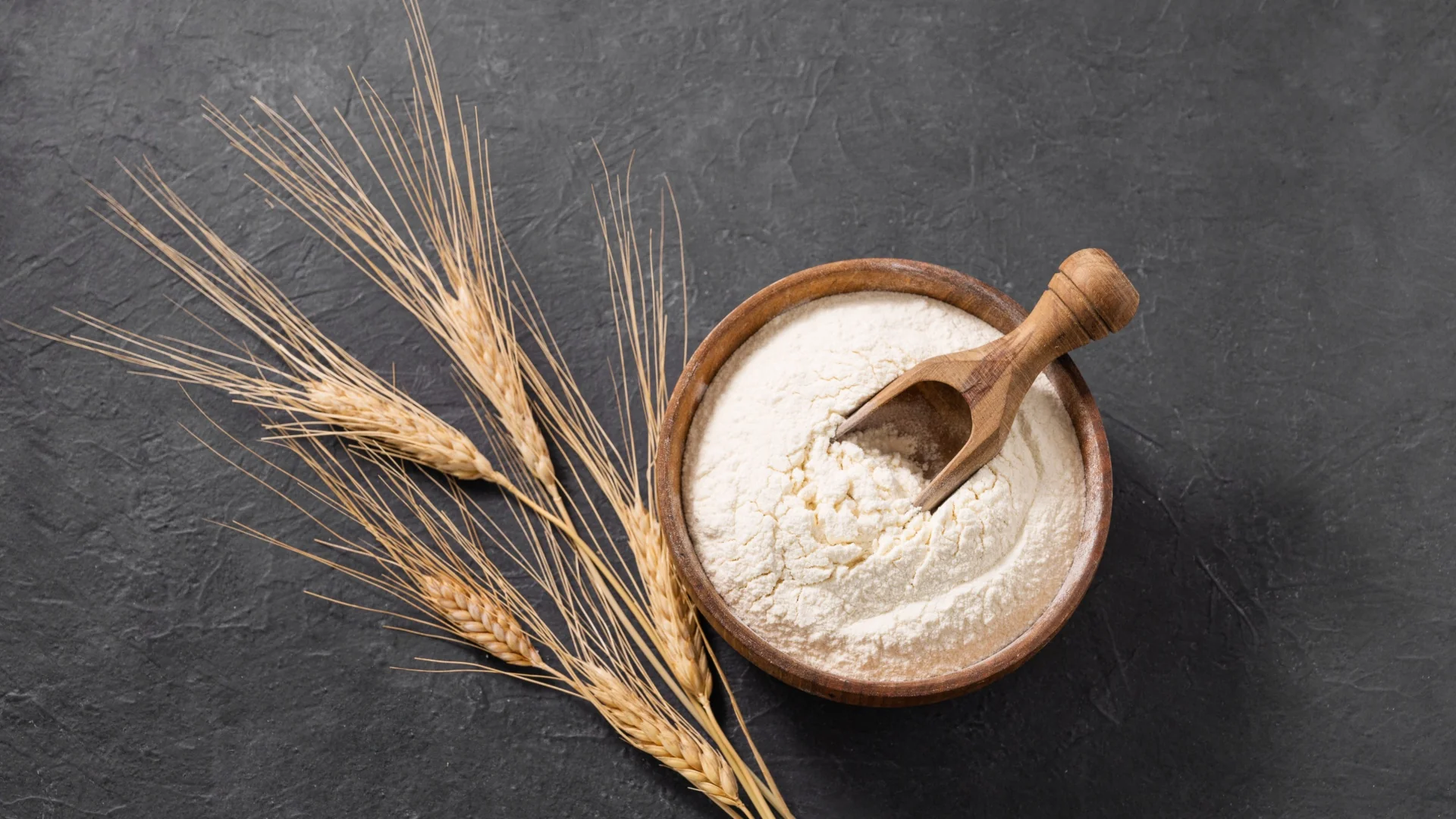
Once considered a forgotten grain, Khapli (Emmer) atta is making a strong comeback as Indian consumers increasingly seek heritage-rich, nutrient-dense food options. Known for its high fibre and protein content, Khapli atta is now being sold at premium prices — sometimes up to five times the cost of regular wheat flour. Despite this, urban wellness-focused …

Swiggy Instamart Data Shows Rising Demand for International Snacks

Urban India’s snacking culture is undergoing a makeover, with Korean snacks and protein bars becoming major favourites among millennials and Gen-Z consumers. On-demand grocery platforms report a sharp rise in orders for imported snacks and health-focused bars. The trend reflects growing cultural exposure through K-dramas, social media and global travel — combined with India’s rising …

Storytelling With Meaning: The New Era of Indian Food Marketing

Food brands in India are increasingly moving beyond taste-centric advertising and embracing purpose-driven storytelling — highlighting sustainability, wellness and positive social impact in their campaigns. From farm-to-table sourcing to plastic-free initiatives and community support programmes, brands are placing values at the centre of communication strategies. This approach strongly resonates with younger consumers who prefer brands …

Green Packaging Moves Mainstream as Consumers Demand Sustainability

Eco-friendly packaging is rapidly becoming the new normal in India’s food industry, as both brands and consumers push for environment-positive alternatives to traditional plastics. Food companies are experimenting with biodegradable materials, recyclable paper formats and reduced-waste designs — in response to rising consumer expectations and environmental regulations. Retailers report that eco-conscious buyers are more likely …

What Indians Want on Their Plate — New Consumer Trends Unveiled

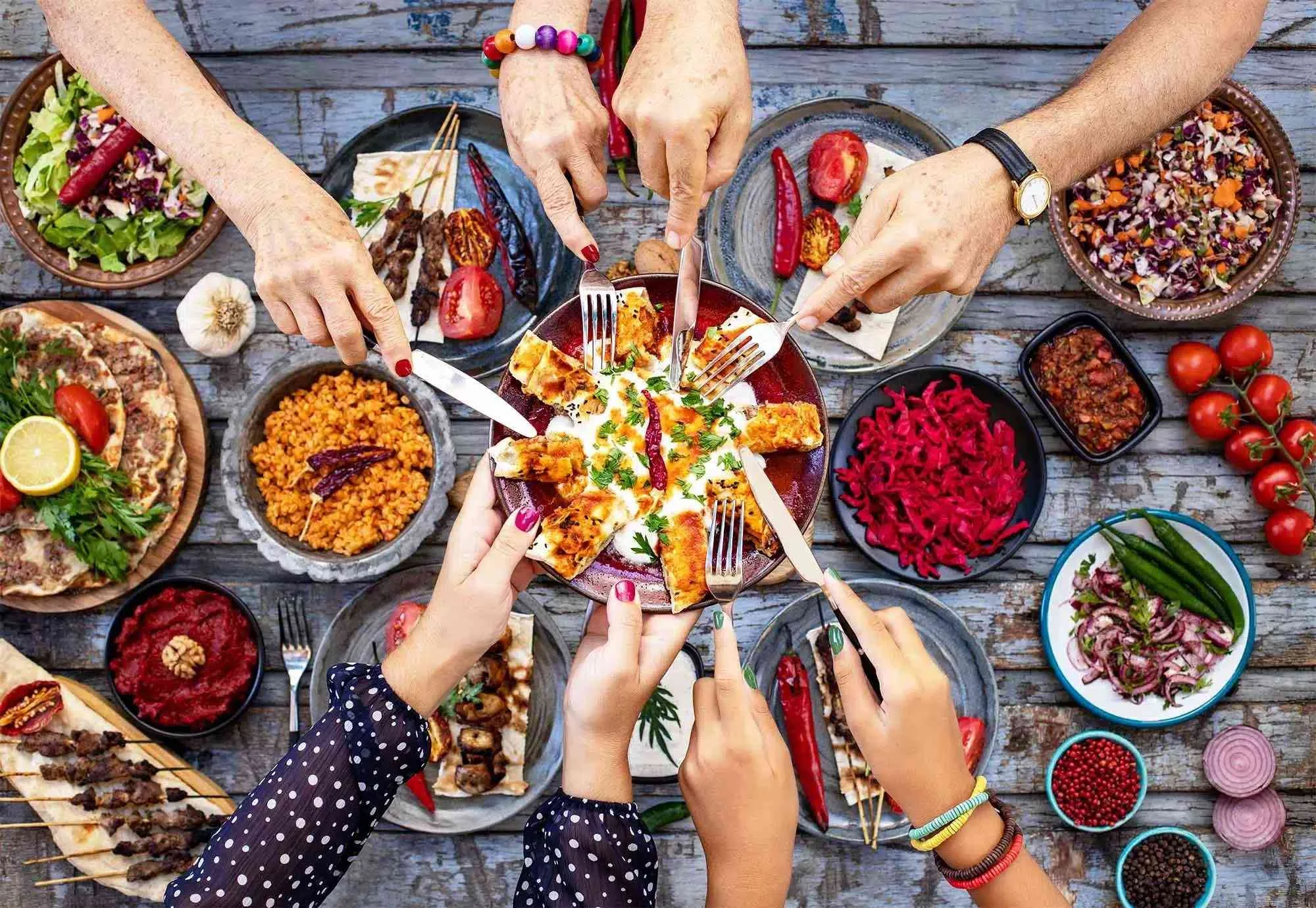
A new consumer behaviour survey has revealed that health, affordability and familiar flavours are the biggest factors shaping India’s food choices in 2025. The report shows that urban consumers are becoming far more conscious about nutrition — but still want comfort, value and convenience in their meals. The study highlights that nutrition-first choices are becoming …