
UTRECHT, THE NETHRELANDS — The global animal protein industry is set to experience a slowdown in production growth in 2026, according to a new report from RaboResearch, a business unit of Rabobank. The decline will be driven by cyclical factors, like shifts in North American and Brazilian cattle markets, as well as by structural factors, …
Animal protein outlook 2026
👁 Views:
414
December 23, 2025,
12:43 pm
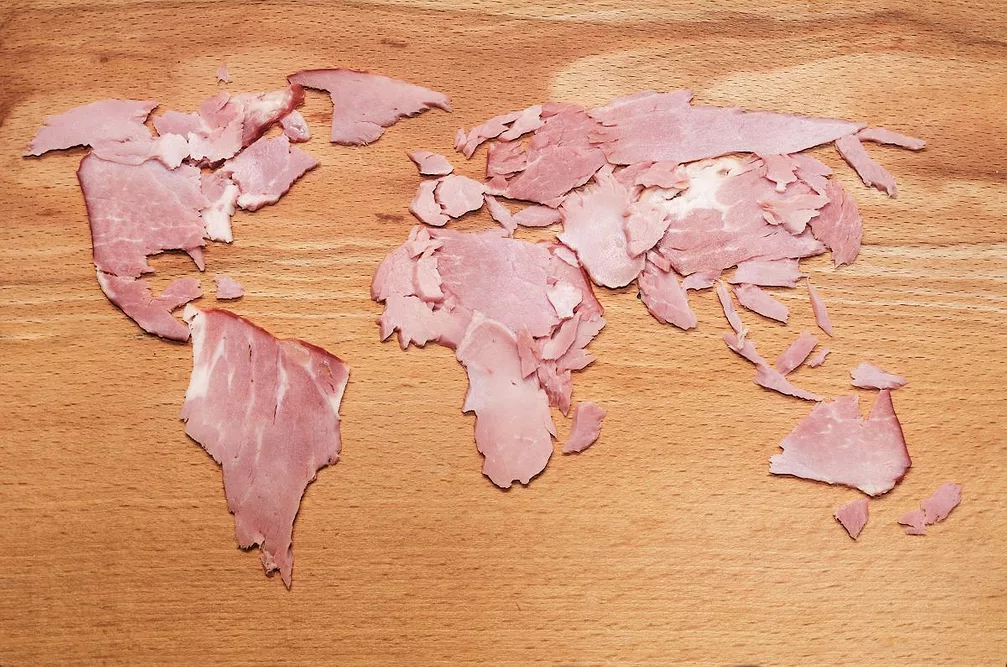
UTRECHT, THE NETHRELANDS — The global animal protein industry is set to experience a slowdown in production growth in 2026, according to a new report from RaboResearch, a business unit of Rabobank. The decline will be driven by cyclical factors, like shifts in North American and Brazilian cattle markets, as well as by structural factors, such as China’s efforts to rebalance its pork market.
Poultry and seafood are expected to be the shining stars in the coming year, as they will lead growth, while pork and beef production will contract. RaboResearch said the shifts will mark the first reduction in global meat production in six years.
Specifically, RaboResearch said pork production growth in North America will be constrained by disease and sow herd expansion, beef production will fall as the cow herd transitions from liquidation to rebuilding, and broiler production will grow due to lower feed costs.
“While we expect feed costs to remain steady, lower protein supplies, rising volatility and trade costs, and disease pressure will weigh on margins,” said Éva Gocsik, global strategist animal protein for RaboResearch. “In both mature and developing markets, a focus on increasing efficiency and productivity will be critical at the farm and processor level.”
The contraction of beef and pork supplies may prove challenging for consumer packaged goods companies like Hormel Foods Corp., Austin, Minn., and Conagra Brands, Inc., Chicago. In earnings released in early December, Hormel noted elevated beef and pork prices affected its fiscal 2025 results.
Sean Connolly, president and chief executive officer of Conagra Brands, said in October that the company’s core inflation outlook was 4%, but it had moved higher due to increased costs for animal proteins like beef, pork and turkey.
With global gross domestic product growth projected to decelerate, Gocsik predicted consumers will become increasingly price-sensitive, altering their consumption behaviors.
“Price pressures within animal protein categories may lead consumers to trade down or switch between proteins, while consumers seeking protein-rich foods will potentially boost animal protein demand,” she said.
Seeking balance amid uncertainty
Animal protein trade remains resilient despite disruptions, according to RaboResearch. Strategic front-loading, including shipments of Brazilian beef into the United States, have helped sustain volumes amid volatility and shifting tariffs. As geopolitical tensions and policies evolve, new trade agreements may provide a boost.
Animal diseases will continue to impact trade, squeeze margins and pressure productivity. An outbreak of African swine fever (ASF) in Spain in November showed signs of shifting trade flows as well as continued cases of highly pathogenic avian influenza. Combined with emerging diseases like New World screwworm and Bluetongue, the headwinds are driving greater biosecurity measures and increased focus on managing disease pressures, RaboResearch pointed out.
As the industry seeks to mitigate risks, technology adoption is becoming more prevalent. Artificial intelligence offers potential benefits for managing operational risks and advancing sustainability goals. However, RaboResearch noted investment remains weak.“Maintaining consumer trust is paramount,” Gocsik said. “In times of heightened risk, consumers continue to prioritize animal welfare, supply availability, price, food safety and quality, and these demands are driving advancements in transparency and traceability.”