
Foodtech innovation is making a significant comeback, with investors increasingly backing smart kitchens and AI-driven solutions. This resurgence signals a new era for the food industry, focusing on efficiency, automation, and data-driven decision-making to optimize operations and drive profitability. Tech Is Transforming Food Businesses Foodtech investment is slowly returning — especially in AI-powered kitchen automation, …
Foodtech Innovation Returns as Investors Back Smart Kitchens
👁 Views:
1569
December 27, 2025,
11:21 am
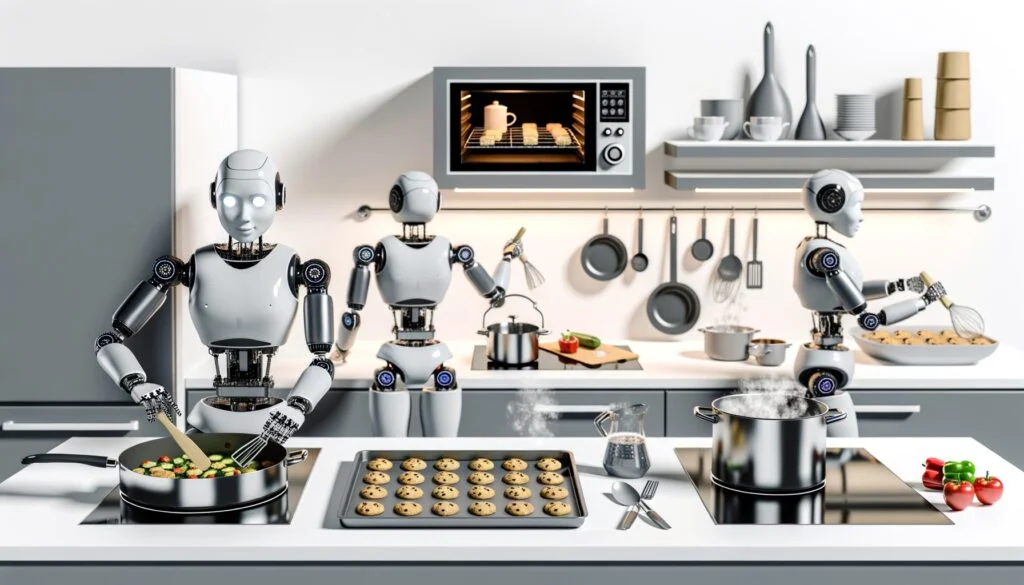
Foodtech innovation is making a significant comeback, with investors increasingly backing smart kitchens and AI-driven solutions. This resurgence signals a new era for the food industry, focusing on efficiency, automation, and data-driven decision-making to optimize operations and drive profitability.
Tech Is Transforming Food Businesses
Foodtech investment is slowly returning — especially in AI-powered kitchen automation, robotics and supply-chain intelligence platforms.
These startups help restaurants optimise:
✔ order forecasting
✔ kitchen workflows
✔ food wastage
✔ delivery timelines
Cloud Kitchens Evolve to Profit-First
Cloud kitchens are no longer chasing expansion speed. Instead, operators are focusing on efficiency, data analytics and predictable profitability.
AI Becomes the Differentiator
From smart cooking systems to predictive purchase planning — AI is shaping the next generation of food business models.
This marks the beginning of tech-driven transformation in India’s food industry — where innovation meets operational excellence.
The Rise of AI in Kitchen Automation
The current wave of foodtech investment is heavily skewed towards technologies that promise tangible operational improvements. AI-powered kitchen automation, robotics, and advanced supply-chain intelligence platforms are at the forefront. These innovations are designed to help restaurants and food businesses tackle critical challenges such as optimizing order forecasting, streamlining kitchen workflows, minimizing food wastage, and improving delivery timelines. By leveraging data and intelligent systems, businesses can achieve greater efficiency and reduce operational costs.
Cloud Kitchens: A Shift Towards Profitability
Cloud kitchens are evolving from a rapid expansion model to a profit-first approach. Operators are now prioritizing efficiency, the strategic use of data analytics, and the establishment of predictable profitability. This shift means a greater emphasis on optimizing every aspect of the operation, from order management to resource allocation. The goal is to build sustainable business models that can withstand market fluctuations and deliver consistent returns, moving beyond vanity metrics of sheer growth.
The Future of Foodtech Investment
Artificial intelligence is emerging as a key differentiator in the modern food business landscape. From intelligent cooking systems that ensure consistency and quality to predictive purchase planning that reduces inventory waste, AI is fundamentally shaping the next generation of food business models. This technological integration marks the beginning of a profound tech-driven transformation within India's food industry, where innovation is seamlessly merging with operational excellence to create more resilient and efficient enterprises.
Conclusion
In conclusion, the return of robust foodtech innovation, particularly in smart kitchens and AI automation, signifies a pivotal moment for the industry. Investors are recognizing the value of efficiency and intelligence, paving the way for a more optimized and profitable future for food businesses worldwide.
Related Resources