
Only real tea leaves, exclusively derived from the Camellia sinensis plant, will now be permitted to be marketed as 'tea' under stringent new labelling guidelines issued by India's food regulator, FSSAI. This pivotal clarification aims to eliminate consumer confusion by distinguishing true teas from a wide array of herbal infusions and flavoured blends. India’s food …
Only Real Tea Leaves Qualify as Tea Under New Labelling Guidelines
👁 Views:
1535
December 27, 2025,
9:50 am
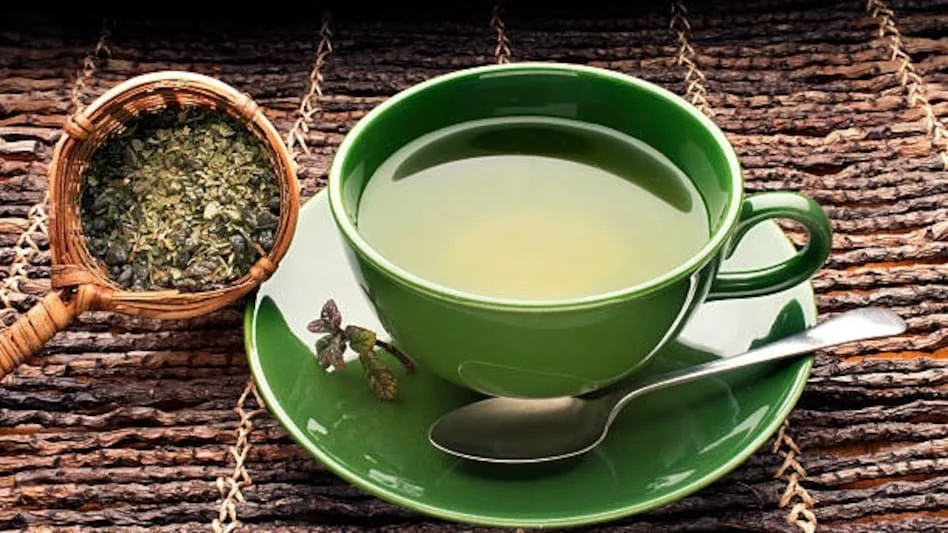
Only real tea leaves, exclusively derived from the Camellia sinensis plant, will now be permitted to be marketed as 'tea' under stringent new labelling guidelines issued by India's food regulator, FSSAI. This pivotal clarification aims to eliminate consumer confusion by distinguishing true teas from a wide array of herbal infusions and flavoured blends.
India’s food regulator FSSAI has clarified that only beverages made from the tea plant Camellia sinensis can be marketed as ‘tea’, tightening labelling norms to prevent consumer confusion.
The move aims to stop herbal infusions and flavoured blends from being misrepresented as tea — ensuring consumers clearly understand what they are purchasing.
Brands will now need to adjust packaging and ingredient declarations to comply with the new guidelines, reinforcing transparency in the beverage market.
Understanding the FSSAI's New Tea Labelling Mandate
The Food Safety and Standards Authority of India (FSSAI) has taken a decisive step to redefine what constitutes 'tea' in the Indian market. Previously, the lines were blurred, allowing various botanical infusions, often referred to as 'herbal teas,' to be marketed alongside traditional teas. The new directive explicitly states that only products originating from the Camellia sinensis plant, encompassing varieties like black tea, green tea, oolong tea, and white tea, can bear the 'tea' label. This move is designed to bring clarity and honesty to the beverage aisle, ensuring consumers are fully aware of the product's origin and composition.
Why Distinguishing Real Tea Matters
This clarification is crucial for several reasons. Firstly, it addresses a long-standing issue of misrepresentation. Many consumers seeking the specific health benefits or taste profiles associated with true tea were inadvertently purchasing herbal or fruit infusions. By enforcing the use of 'real tea leaves' as the sole criterion, FSSAI is empowering consumers to make informed choices. Secondly, it promotes fair competition within the beverage industry, ensuring that products are labelled accurately and transparently, preventing brands from gaining an unfair advantage through ambiguous marketing.
Impact on Brands and Consumers
Brands operating in the Indian market will need to meticulously review their product packaging, ingredient lists, and marketing materials to ensure compliance with these updated FSSAI guidelines. This may involve significant adjustments to labelling, potentially requiring the removal of the term 'tea' from products that do not meet the new definition. For instance, chamomile, peppermint, or rooibos infusions, while popular, will no longer be able to be marketed as 'tea' but rather as herbal infusions or tisanes. This shift necessitates a greater emphasis on educating consumers about the differences between true teas and other plant-based beverages.
Conclusion
In conclusion, the FSSAI's directive to exclusively label beverages made from real tea leaves as 'tea' marks a significant step towards greater transparency and consumer protection in India's beverage market. This ensures that when you purchase 'tea,' you are indeed getting a product derived from the Camellia sinensis plant.
Related Resources